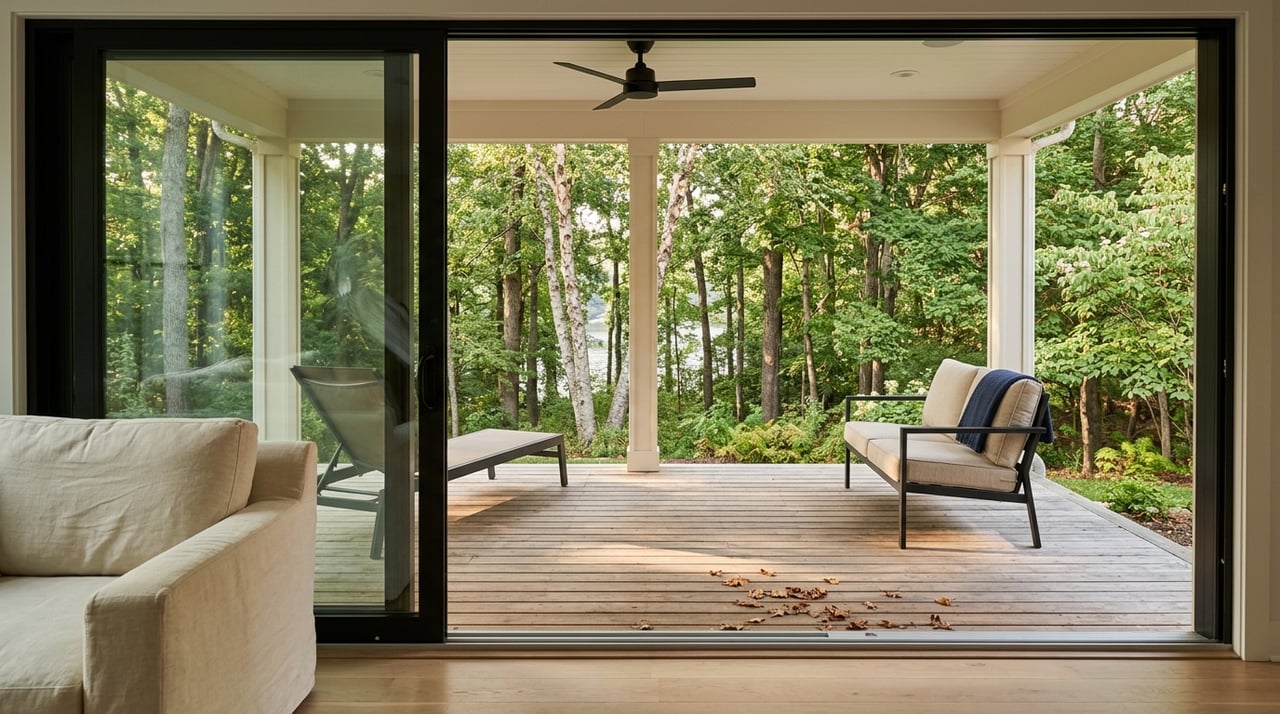
If you are selling a river home in Rock Island, you are not just putting a house on the market. You are selling a setting, a lifestyle, and the experience of being close to the water. In a market where buyers have options and many start their search online, thoughtful preparation can help your home stand out from the first photo to the final showing. Let’s dive in.
Why presentation matters in Rock Island
Rock Island is a recreation-driven market shaped by the Caney Fork corridor, Rock Island State Park, and Great Falls Reservoir. Buyers are often weighing water access, views, outdoor space, and how the property connects to the river just as much as they are comparing bedrooms and square footage.
That matters even more in today’s market. In May 2026, Redfin reported a Warren County median sale price of $259,223 and 97 days on market, while Realtor.com identified Warren County as a buyer’s market. Zillow also showed a typical Rock Island home value of $249,094, up 4.9% year over year, with 23 homes for sale as of May 31, 2026.
For you as a seller, that means polished presentation and realistic pricing matter. Buyers can take their time, compare options carefully, and move on quickly if a listing feels unclear or unfinished.
Lead with the river lifestyle
A Rock Island river home should tell a clear story. Buyers want to understand not only what the house looks like, but also how it lives day to day and how the outdoor spaces connect to the water.
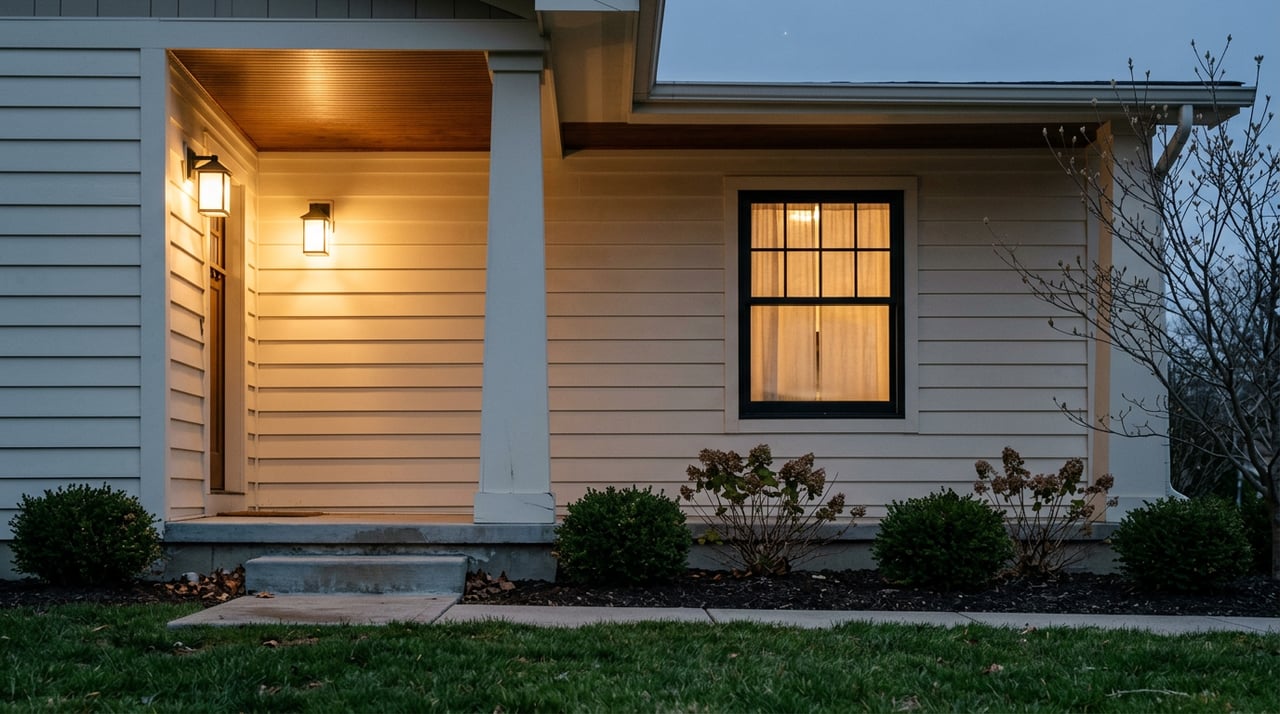
That story might include a porch that catches the evening light, a deck with room for seating, or an easy path to the shoreline. If your property offers access to Great Falls Reservoir or sits near the rivers and recreation areas that define Rock Island, your marketing should help buyers picture that experience in a simple, accurate way.
NAR reports that buyers continue to care about neighborhood quality and convenience to friends and family. For a property like this, that means your listing should clearly explain access, outdoor recreation, and everyday livability, not just interior finishes.
Stage indoor and outdoor spaces
Staging is especially important for river properties because buyers are often deciding between homes based on feel. NAR says staging makes it easier for 83% of buyers’ agents to help buyers visualize a property as a future home.
Start inside with the basics:
- Declutter surfaces and storage areas
- Use neutral styling
- Refresh linens and towels
- Remove bulky furniture that makes rooms feel tight
- Deep clean high-traffic areas
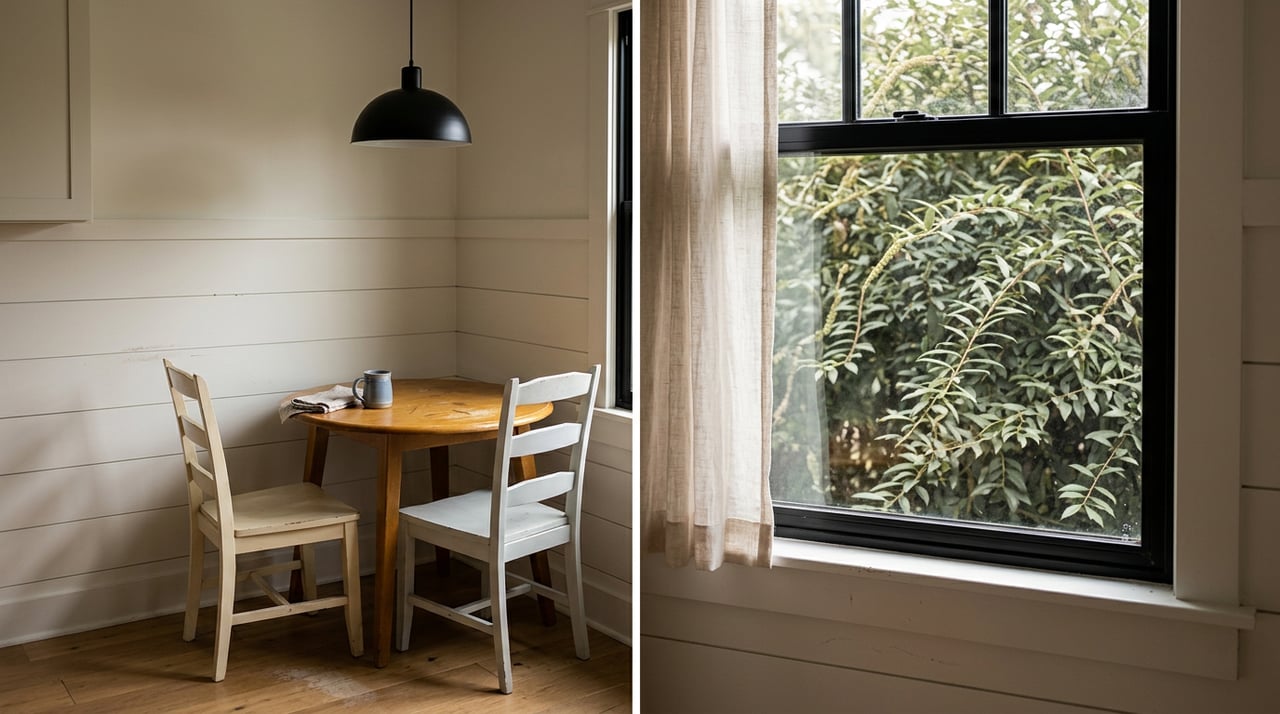
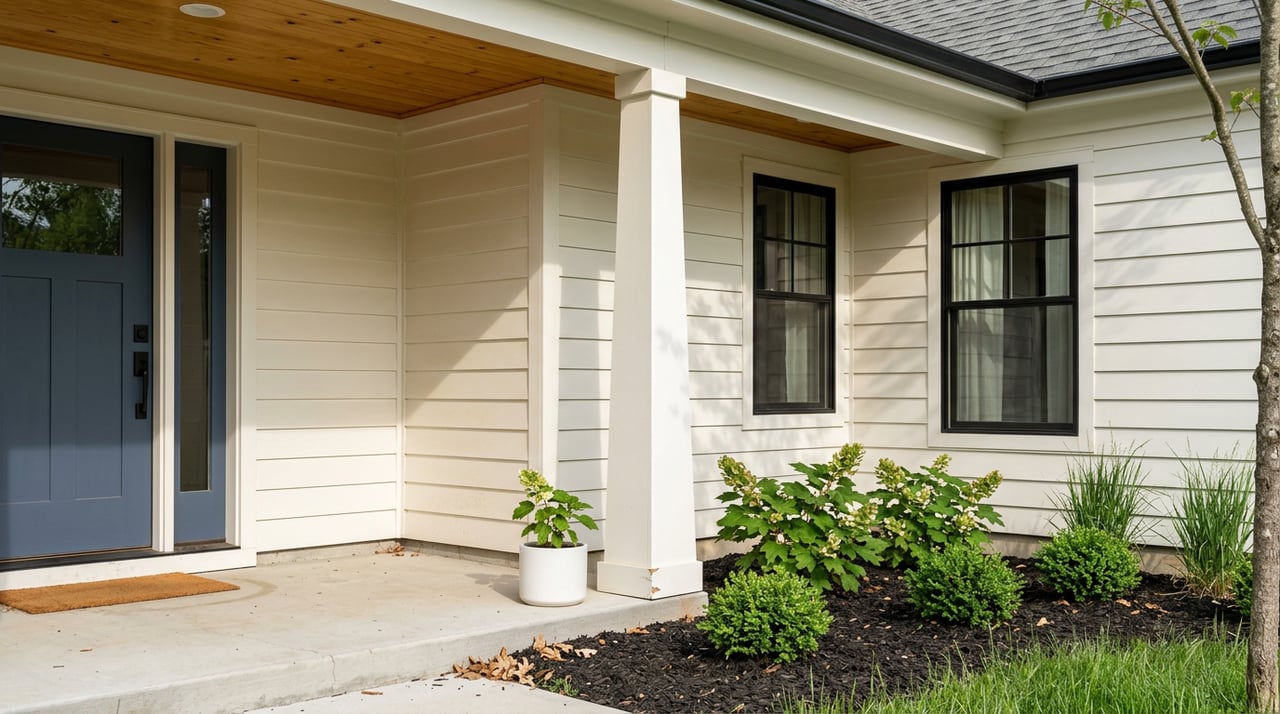
Then carry that same care outside. A porch, patio, or deck should feel like an extension of the home, not an afterthought.
Before photos and showings, make sure outdoor areas are:
- Clean and swept
- Set up with simple seating if space allows
- Free of broken furniture or extra equipment
- Easy to walk through
- Trimmed and tidy near paths, steps, and shoreline-facing areas
If the outdoor setup looks calm and usable, buyers can more easily picture themselves enjoying the property.
Make the online listing work harder
Most buyers will meet your home online before they ever step onto the property. NAR’s 2025 Profile of Home Buyers and Sellers says 43% of buyers first looked online, all buyers used the internet, and the most useful website content was photos, detailed property information, and floor plans.
That is a big deal for a river home. Buyers need to understand the relationship between the house, the outdoor spaces, and the water-facing features in one quick viewing session.
Your listing should include:
- Clear, bright listing photos
- Photos that show the water story, not just individual rooms
- Detailed property information
- A floor plan when available
- A virtual tour for local and out-of-area buyers
NAR also notes that buyers spent a median of 10 weeks searching, viewed seven homes, and saw two of them online only. If your online presentation is incomplete, confusing, or missing key visuals, some buyers may rule it out before scheduling a visit.
Photograph the full property story
Photos should help buyers understand how the home sits on the property. For a Rock Island river home, that means showing more than the kitchen, living room, and primary bedroom.
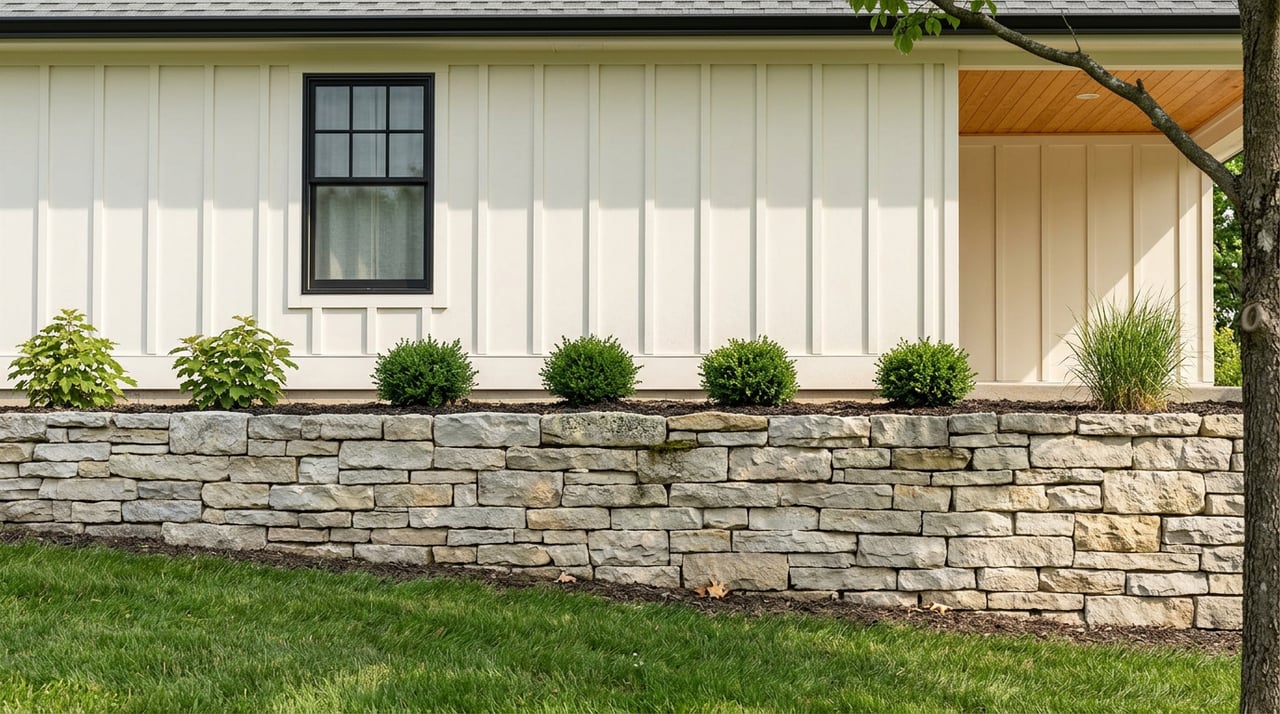
You want buyers to see how spaces connect. A strong photo set may include the front approach, main living areas, deck or porch, yard, water-facing views, and any path or access point that helps explain the setting.
If your property has water-related improvements or outdoor gathering areas, photograph them clearly and accurately. Buyers are trying to answer practical questions like where they would sit, how they would move through the property, and how much of the outdoor lifestyle is visible and usable.
Use virtual tours and floor plans
Virtual tools matter even more in a market that attracts lifestyle and remote buyers. NAR says virtual tours help buyers understand whether the layout works and whether furniture will fit, and floor plans are among the most requested visual assets after listing photos.
That can be especially helpful in Rock Island, where some buyers may be coming from outside the area and relying on a trusted local agent for extra clarity. A virtual tour and floor plan can reduce confusion, answer common layout questions early, and make your listing feel more complete.
For homes with unique levels, porches, bonus spaces, or a strong indoor-outdoor layout, these tools can be the difference between a skipped listing and a serious showing request.
Gather documents before listing
River properties often come with more buyer questions, so it helps to be ready before your home goes live. Tennessee’s residential property disclosure form asks about issues such as water supply, waste disposal, roof age, flooding, drainage or grading problems, flood insurance requirements, easements, utility or drainage changes, unpermitted work, and deed restrictions or HOA information when applicable.
That means early prep is not just helpful. It can keep your sale moving more smoothly once buyers start asking detailed questions.
Useful documents to gather may include:
- Property survey
- Permit records for completed work
- Maintenance records
- Septic or sewer information
- Well or water-supply details, if applicable
- HOA documents or deed restrictions, if applicable
- Records related to shoreline improvements
When you can answer questions quickly and clearly, buyers tend to feel more confident moving forward.
Verify shoreline and flood details early
This step is one of the most important for a river home. TVA says Section 26a permits are needed for shoreline-related work such as docks, boat ramps, shoreline stabilization, dredging, and fill.
If your property includes any of those features or improvements, confirm what was permitted and keep the paperwork ready. Buyers may ask about it early, and waiting until contract time can create delays or uncertainty.
Flood questions also need attention upfront. Tennessee’s disclosure form asks about flooding, flood damage, and flood insurance requirements. TEMA notes that standard homeowners and renters policies do not cover flood damage, and FEMA’s Flood Map Service Center is the official public source for flood hazard information.
You do not need to guess or minimize those issues. Instead, be prepared with accurate flood-zone information, insurance details if relevant, and honest answers about the property’s history.
Prepare for common buyer questions
Buyers looking at Rock Island river homes often focus on practical details, not just the view. If you are ready for those conversations, your listing process tends to feel smoother and more professional.
Expect questions such as:
- Has the property ever flooded?
- Is flood insurance required?
- Was the dock, boat ramp, or shoreline work permitted?
- Is the water source public, well, or private?
- Is wastewater handled by septic or sewer?
- Are there easements or shared access areas?
- Are there deed restrictions or HOA rules?
- Was any work done without permits or outside code compliance?
Having clear answers ready can help reduce buyer hesitation.
Plan around weather and water conditions
Showing a river home in this area requires flexibility. NOAA climate normals for nearby McMinnville show a mean annual temperature of 60.2°F and annual precipitation of 54.41 inches, with warm, humid summers and cooler winters.
In spring and summer, weather can affect everything from exterior staging to photography and showing comfort. Rain, humidity, and heat may mean you need backup dates for photos or extra attention to outdoor cleanup before appointments.
Water conditions also matter. TVA warns that water-release schedules can change without notice and that large discharges can occur at any time. Rock Island State Park also notes that gorge access depends on TVA hourly water-release predictions and closures can happen without notice.
If your marketing plan includes drone work, shoreline photos, or showings built around water access, flexibility is essential. A backup plan helps you avoid rushed photos or disappointing first impressions.
Price and prep go together
Even a beautiful river home can sit if the pricing and presentation do not line up with buyer expectations. In a buyer’s market, strong preparation helps support your asking price because buyers can more easily see the value.
That does not mean overdoing updates or trying to make the home look like something it is not. It means showing the property clearly, documenting key details, and making it easy for buyers to understand what makes your home worth a closer look.
In Rock Island, that usually comes down to a simple formula: clean presentation, strong visuals, accurate property details, and a clear explanation of the water-access lifestyle your home offers.
If you are thinking about selling your river home in Rock Island, the right prep can help you attract better attention from day one. For local guidance, hands-on marketing, and strong online exposure for buyers near and far, reach out to Missy Selby.
FAQs
What should sellers do first to prepare a Rock Island river home for sale?
- Start with decluttering, deep cleaning, and gathering key documents such as surveys, permits, maintenance records, and any information related to shoreline work, flood history, water service, or septic systems.
Why do listing photos matter so much for a Rock Island river home?
- Buyers use online listings heavily, and strong photos help them understand the house, outdoor living areas, and how the property connects to the water before they decide to schedule a showing.
What flood information should Rock Island home sellers be ready to share?
- You should be ready to discuss whether the property has experienced flooding, whether flood insurance is required, and what the official flood hazard information shows for the property.
What permits might matter for a Rock Island waterfront property?
- TVA says Section 26a permits may be required for shoreline-related work such as docks, boat ramps, shoreline stabilization, dredging, and fill, so sellers should verify records for those improvements before listing.
How can sellers market a Rock Island river home to out-of-area buyers?
- A complete online presentation with detailed photos, a floor plan, and a virtual tour can help remote buyers understand the layout, outdoor spaces, and setting more clearly.
When is the best time to schedule photos or showings for a Rock Island river home?
- Spring and summer can showcase outdoor living well, but weather, humidity, rain, and changing TVA water-release conditions mean it is smart to plan flexible dates and backup options.